
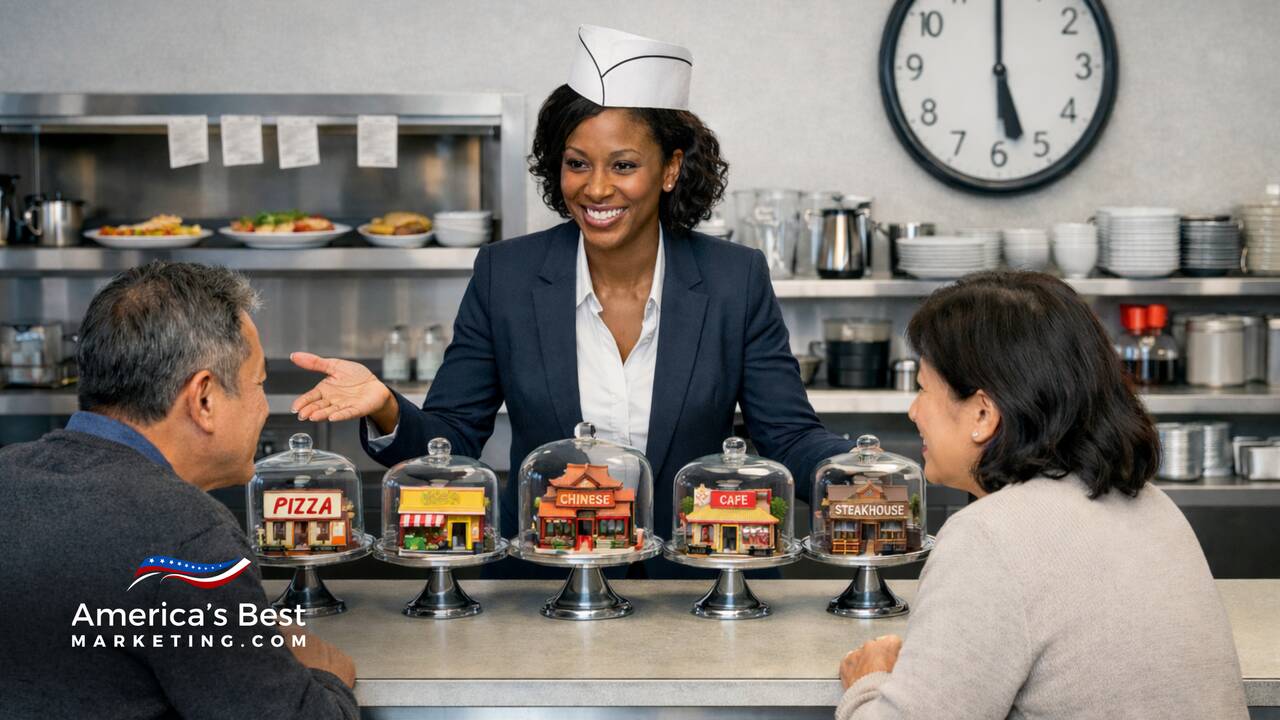
A restaurant photo is easy to post, but it rarely gives a relocation buyer enough reason to remember who shared it. A well-built restaurant guide does more because it answers a practical lifestyle question: what would it actually feel like to spend time in this neighborhood?
That makes local dining content useful beyond social engagement. When the guide is narrow, specific, and tied to a simple next step, it can support search visibility, email replies, website visits, and future real estate conversations.
Why This Works
- Restaurant choices reveal daily life quickly, including walkability, weekend routines, family fit, remote-work options, and neighborhood energy.
- A focused guide can give buyers useful local context without sounding like a sales pitch.
- Five to seven strong picks are enough to make the page useful without turning it into a directory.
- One matching lead offer gives interested readers a clear next step.
Build Around One Neighborhood and One Theme
The strongest guides stay narrow. Instead of writing “Best Restaurants in the City,” build around one neighborhood and one use case, such as dog-friendly patios, date-night spots, coffee shops for remote work, or quick lunches near a popular housing area.
Each restaurant should earn its place in the guide. Add one short factual description and a “best for” tag such as best for families, best for a quiet coffee, or best for a walkable evening.
Original photos help because they show that the content came from someone who knows the area. A simple set of three photos per location, such as the exterior, seating area, and one signature item, is enough.
Turn the Guide Into a Seven-Day Campaign
Publishing is only the first step. The source article recommends treating each guide as a small campaign with the page as the main asset, distribution as the engine, and follow-up as the conversion layer.
A practical sequence looks like this:
- Publish the complete guide on your website.
- Highlight one restaurant per day for seven days.
- Tag the business in each recap post when appropriate.
- Email the guide to your database and ask readers to reply with a favorite spot.
- Build a retargeting audience from guide visitors.
- Offer a related neighborhood guide, moving guide, local map, or nearby home search.
That last step matters. A patio guide should lead naturally to a weekend itinerary or neighborhood map. A remote-work coffee guide can lead to a moving guide for that side of town.
Avoid the Common Restaurant-Guide Mistakes
Generic descriptions are the fastest way to make a guide feel copied. A better move is to include practical context a newcomer can use, such as parking, seating, walkability, noise level, or what kind of visit the location suits best.
Another mistake is publishing once and stopping. A restaurant guide becomes more valuable when it is refreshed quarterly, redistributed through email and social media, and connected to related neighborhood pages.
Also avoid treating likes as the main success metric. Track guide visits, email replies, opt-ins, return visits, and conversations that can be traced back to the content.
Match the Format to the Goal
Different local content formats do different jobs.
- Best-of lists are useful for search visibility and can stay relevant with periodic updates.
- Individual business spotlights can earn shares and comments from owners and local followers.
- Event roundups give agents a timely reason to email their database.
- Themed restaurant guides can support relocation leads because they connect lifestyle intent with a specific neighborhood.
For paid distribution, the source suggests starting small, from $0 to $150 per month, until the publishing and follow-up routine is consistent. The point is not to spend heavily. It is to learn which guides earn visits, replies, and opt-ins before increasing the budget.
FAQs
Q: How many restaurants should a guide include?
A: Five to seven is a strong working range. It is enough to be useful while keeping the page focused and easy to scan.
Q: How can a restaurant guide support local SEO?
A: Use one neighborhood, one theme, a clear title, original photos, and internal links to related local pages. Refresh the guide regularly so the information stays current.
Q: What lead capture offer fits restaurant content best?
A: Match the offer to the reason the reader clicked. A neighborhood map, weekend itinerary, moving guide, or nearby home search usually fits better than a generic contact form.
Final Take
Restaurant guides work best when they are treated as useful local resources, not filler content. Keep the theme narrow, make the details specific, distribute the guide for at least seven days, and give readers one logical next step.
Originally published on AmericasBestMarketing.com
Comments are welcome. Please keep them professional and relevant to the topic so this can remain a helpful resource for fellow agents.

Comments(2)