
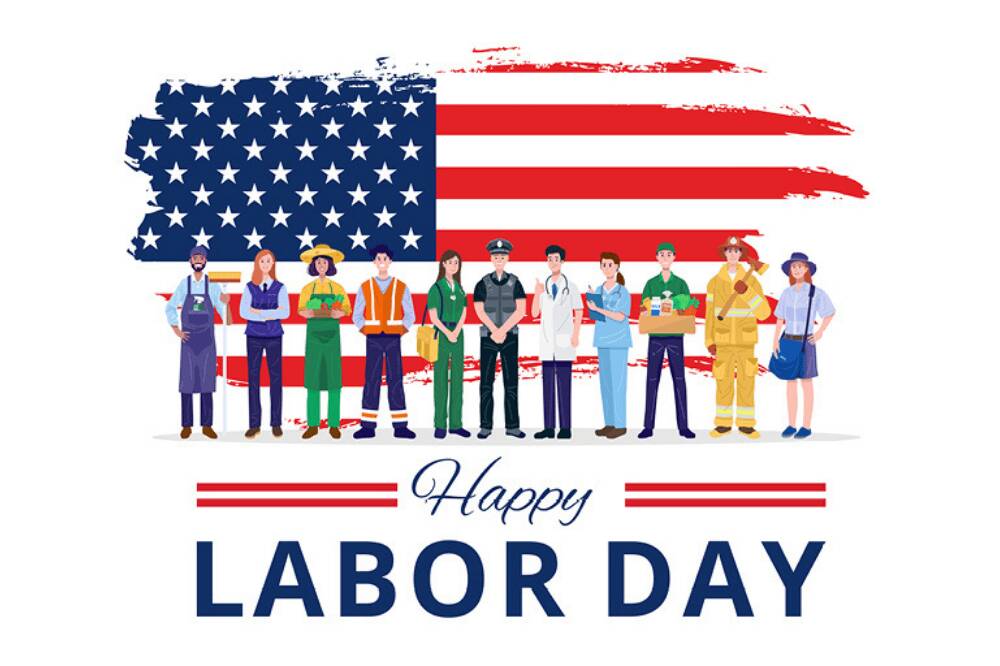
Here we are again. It's Labor Day 2026.
Beyond signaling the unofficial end of summer and the return to school, Labor Day carries deep historical significance as a celebration of economic and social justice.
It serves as an annual tribute to the collective power of the labor movement, which successfully secured foundational rights we often take for granted today, such as the eight-hour workday, the five-day workweek, paid time off, and child labor laws.
Ultimately, the day reminds us how everyday workers shaped the country's strength, prosperity, and well-being, offering a moment to pause and appreciate the dignity of all labor.

In 1894. President Grover Cleveland officially designated the first Monday of September as the American federal holiday. Cleveland deliberately chose the September date, which had already been celebrated by local unions, to avoid celebrating on May 1st (May Day or Workers' Day). The U.S. government wanted to distance the official holiday from the radical socialist and communist associations that May Day had acquired globally


Comments(14)