
Ceiling fans without lights can be a strong fit when a room already has dependable illumination or when the ceiling plan needs a quieter, single-purpose fixture. Homeowners comparing ceiling fans without lights for flexible rooms should review the existing lighting, occupied zone, ceiling height, controls, and support conditions before choosing a finish. The decision is not simply about removing a light kit. It is about giving airflow a clear role while allowing the room's other fixtures to handle visibility and atmosphere.
Review the existing lighting first
Map recessed fittings, pendants, wall lights, task lamps, and natural-light limitations before choosing a fan without a light. The room should remain usable after the fan is installed, including at night and during routine tasks. If one fixture currently combines airflow and illumination, decide how that lighting role will be replaced or redistributed before selecting the new fan.
Define the occupied zone
Mark the sofa, bed, dining table, desk, and circulation paths, then place the fan where air movement is most useful. The best location may not be the exact center of the room. Check the full blade circle against beams, tall cabinets, pendant fittings, and doors. A single-purpose fan still needs to be planned as part of the room's architecture.
Compare size with room guidance
Blade span changes the proportion of the ceiling and the area the fan is expected to serve. Compare the manufacturer's room guidance and published airflow information for each exact model. Do not choose a smaller fan simply because it has no diffuser, and do not choose a larger fan without checking clearances and the location of furniture below it.
Check ceiling and support conditions
Record the ceiling height, slope, structural support point, and existing electrical arrangement. Low ceilings may need an appropriate low-profile solution, while vaulted ceilings may require a compatible downrod or adapter. Read the installation instructions and ask a qualified installer to verify support, wiring, blade clearance, and any changes needed when replacing a light fixture.
Keep controls focused on airflow
A fan without a light can simplify daily operation, but the control still needs to fit the household's routines. Decide whether speed changes should be possible from bed, sofa, or a work area. Confirm whether the approved control is a remote, wall control, or another arrangement. Do not assume that a legacy switch or smart-home component is compatible with the exact model.
Coordinate the finish with other fixtures
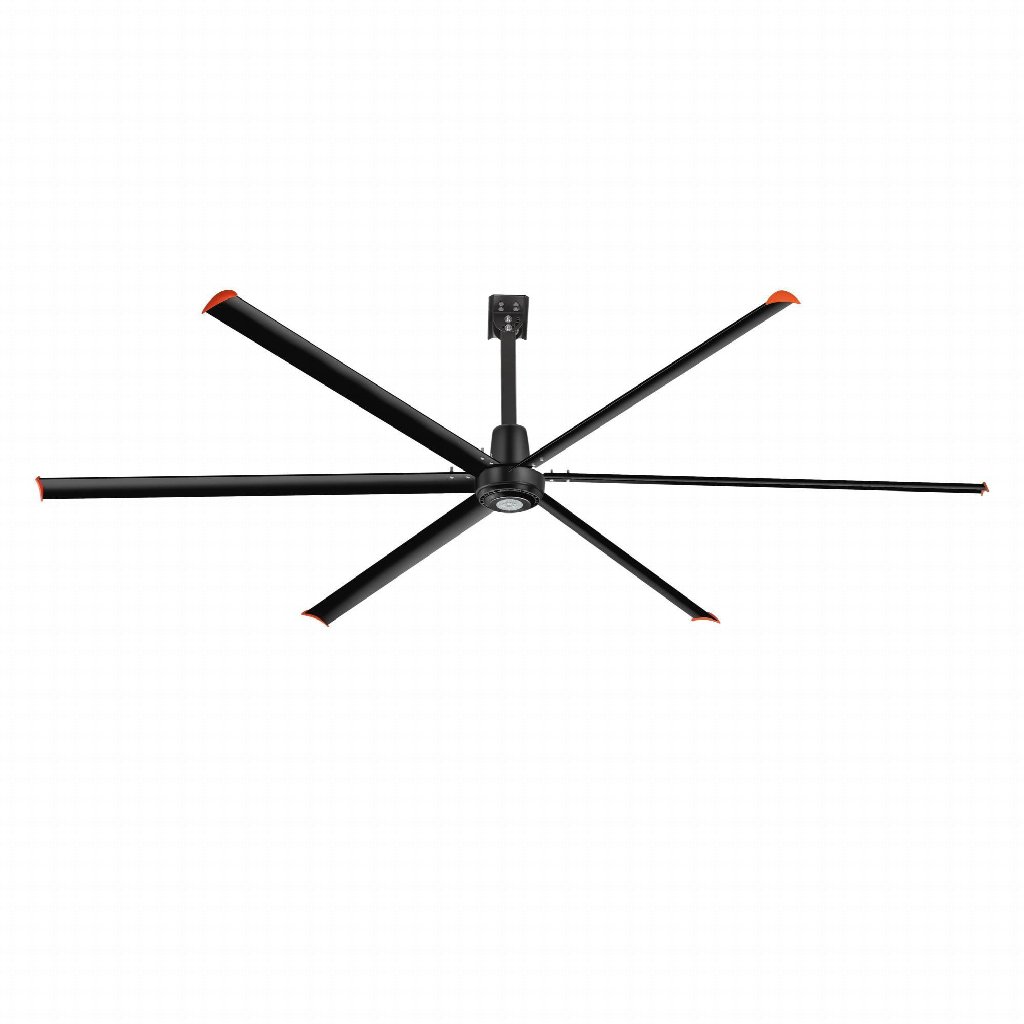
Without a diffuser, the blades, motor housing, canopy, and mounting hardware carry more of the visual identity. Compare them with the ceiling, door hardware, cabinetry, flooring, and nearby light fittings. A matching finish can make the ceiling feel calm, while a contrasting finish can make airflow equipment an intentional feature. Review the whole silhouette before ordering.
Plan maintenance and future changes
Ask how the blades will be cleaned, how the motor can be inspected, and whether replacement parts are available. Also consider whether the room may later change use or furniture layout. Keep the fan documentation, care instructions, warranty terms, and control information together. A clear record makes future service and renovation decisions easier.
Use a no-light fan checklist
Before choosing a model, list the room's lighting sources, main occupied zone, ceiling height, support point, desired airflow, control preference, and service access. Compare only the options that meet those conditions. A ceiling fan without lights is most successful when it leaves the lighting plan clear, supports everyday comfort, and remains easy to operate after the room changes.
Check the room after separating the functions
Imagine the fan running with every other light switched off, then imagine the room lit while the fan is not moving. These two simple scenarios expose gaps in the plan. A room may need a better task lamp, a separate switch, or a different fan position. Resolving those details before ordering is easier than trying to correct them after the light and airflow functions have been separated.
Quick checklist
Room question |
Decision to resolve |
Information to check |
Is the room already well lit? |
How will light be distributed? |
Existing fixtures and task zones |
Where is airflow needed? |
Where should the fan sit? |
Furniture, clearance, and circulation |
What is the ceiling like? |
Which mount is suitable? |
Height, slope, support, and wiring |
How will the fan be serviced? |
Can access be repeated safely? |
Care instructions and replacement parts |
Practical conclusion
Ceiling fans without lights are easiest to specify when the lighting plan is already understood. Confirm that the room has suitable illumination, then check the fan's size, mounting, controls, and maintenance requirements against the real floor plan. Next step: review the shortlisted models with an installer before choosing the finish or submitting an order. That short review can also confirm whether the existing switch, support point, and lighting layout will remain useful when the room is used at different times of day.
AirSurferHome | Article draft

Comments(4)