
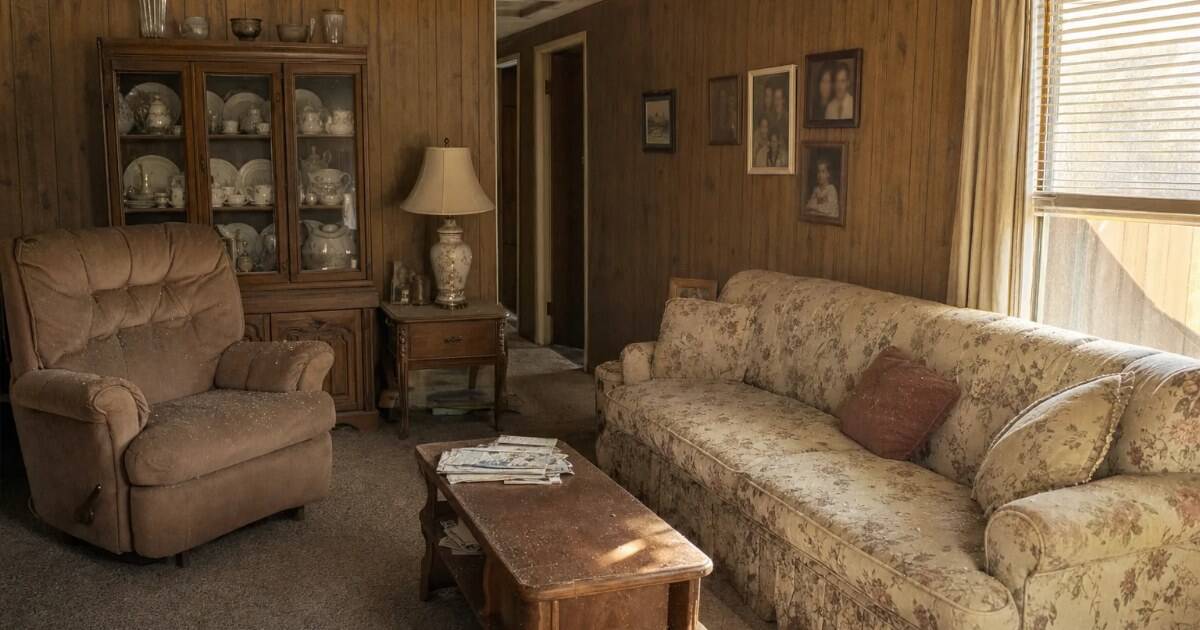
Selling a house with furniture still in every room is a common situation after a parent moves into assisted living. The house in Dallas sits empty of people but full of everything else: the recliner, the china cabinet, decades of closets. The family wants to sell, nobody has the weekends to empty it, and the parent still owns the house.
That last part shapes everything. This is not an estate, because nobody has died. The parent is the owner, and either the parent signs or someone with legal authority signs for them. This post covers who can sign, what happens to the property tax exemption while the house sits, three ways to deal with the contents, and what the disclosure form asks about a house nobody lives in. I read the statutes quoted here on October 9, 2026.
Who can sign when the owner is in assisted living?
If the parent can still understand and sign, the parent signs. When the parent can sign, the paperwork can often be brought to the facility.
If the parent cannot, the usual route is an agent under a durable power of attorney. The Texas Estates Code spells out what the standard powers cover. Under 752.102(a)(2), authority over real property transactions lets the agent "sell, exchange, convey" or otherwise dispose of an interest in real property. Under 752.103(2), authority over tangible personal property lets the agent "sell, exchange, convey" or otherwise dispose of tangible personal property. In plain terms, the house and the furniture are covered by two different powers, so read the document and check that both are granted.
There is a recording step that catches families off guard. Estates Code 751.151 says a durable power of attorney used for a real property transaction that requires a recorded instrument, including a "deed of conveyance," "must be recorded in the office of the county clerk of the county in which the property is located not later than the 30th day after the date the instrument is filed for recording." The title company will usually handle that, but it means the power of attorney becomes a public record in the county where the house sits.
One more detail matters if the power of attorney only takes effect when the parent becomes incapacitated. Unless the document defines it differently, 751.00201 says a person is considered incapacitated when a physician certifies in writing, after the power of attorney was signed, that the person is "mentally incapable of managing the individual's financial affairs." If that letter does not exist yet, the agent may not have authority yet. If there is no power of attorney at all and the parent cannot sign, that is a court question for an attorney, and I did not read the guardianship statutes for this post.
Does the homestead exemption survive while the house sits empty?
This is often the children's first question, because the tax bill keeps coming. Texas Tax Code 11.13(l) answers it. A homestead does not lose its character when the owner temporarily stops living there "if that owner does not establish a different principal residence" and the absence is caused by, among other things, the owner's "residency in a facility that provides services related to health, infirmity, or aging."
So a parent in assisted living does not automatically lose the exemption by moving out. The condition is that the parent has not set up a different principal residence somewhere else. If anything about the parent's situation is unusual, call the appraisal district for the county the house is in and ask how they apply that subsection before you assume.

Selling a house with furniture: three ways to handle the contents
Most families end up on one of three routes. None is right for everyone.
Clear it first, then sell
The family sorts, donates, sells and hauls everything out, then sells an empty house. It gives the cleanest buyer pool and the most time pressure on the family. It also means carrying costs while the work happens, and the clearing can take longer than anyone planned.
Include the contents in the sale
The buyer takes the house with what is in it. The furniture is personal property, not part of the land, which is why the Estates Code treats it under a separate power. Furniture is usually transferred with a separate bill of sale alongside the deed; ask the title company how they handle it. Write down what is included, even if the list is short: "all contents except the items the family removes by a named date" is better than nothing.
Leave it for the buyer to remove
Some buyers will agree to take the house with everything in it and deal with removal themselves. If you go this way, put three things in writing: what the family takes first, the date after which anything left belongs to the buyer, and who pays to haul it.
What to take out before anyone walks through
Whatever route you pick, some things should leave the house before any buyer, agent or contractor is inside. Personal papers and bank statements. Photographs and keepsakes. Medications. Any firearms. Vehicle titles and spare keys. Jewelry. The things that cannot be replaced are often in the least obvious places, so check freezers, coat pockets and the top shelves of closets.
What the disclosure form asks about a vacant house
The seller's disclosure notice in Texas Property Code 5.008(b) asks two questions right at the top: whether the seller "is" or "is not" occupying the property, and "If unoccupied, how long since Seller has occupied the Property?" Answer them plainly. The form also states that it "IS NOT A WARRANTY OF ANY KIND BY SELLER," but it is still a statement of what the seller knows.
That creates a real problem in this situation. A parent who moved out months ago may not know about a slow leak or a failed air conditioner since. Whoever fills out the form should walk the house first and answer from what they actually know, not from memory of how the house was. Then look at your insurance policy for any wording about vacant or unoccupied homes, and call the agent if you are unsure what it means for your house.
When the family needs a faster way out
Many families want to sell a vacant house like this without spending months emptying it first. Some cash buyers, including us, will discuss taking a house with the furniture still in it, after the family has taken what matters to them. When we buy houses in Dallas, that is a conversation we are willing to have.
This is general information and not legal or tax advice. I am not an attorney.
Sources: Texas Estates Code 751.00201, 751.151, 752.102 and 752.103; Texas Tax Code 11.13(l); Texas Property Code 5.008(b). All read on statutes.capitol.texas.gov on October 9, 2026.


Comments(5)