| |
Investing in Real Estate 9 - Scrapes, Pops and New Construction
This blog will discuss a type of real estate investment, scrapes, pops and new construction, in the Longmont area in Denver.
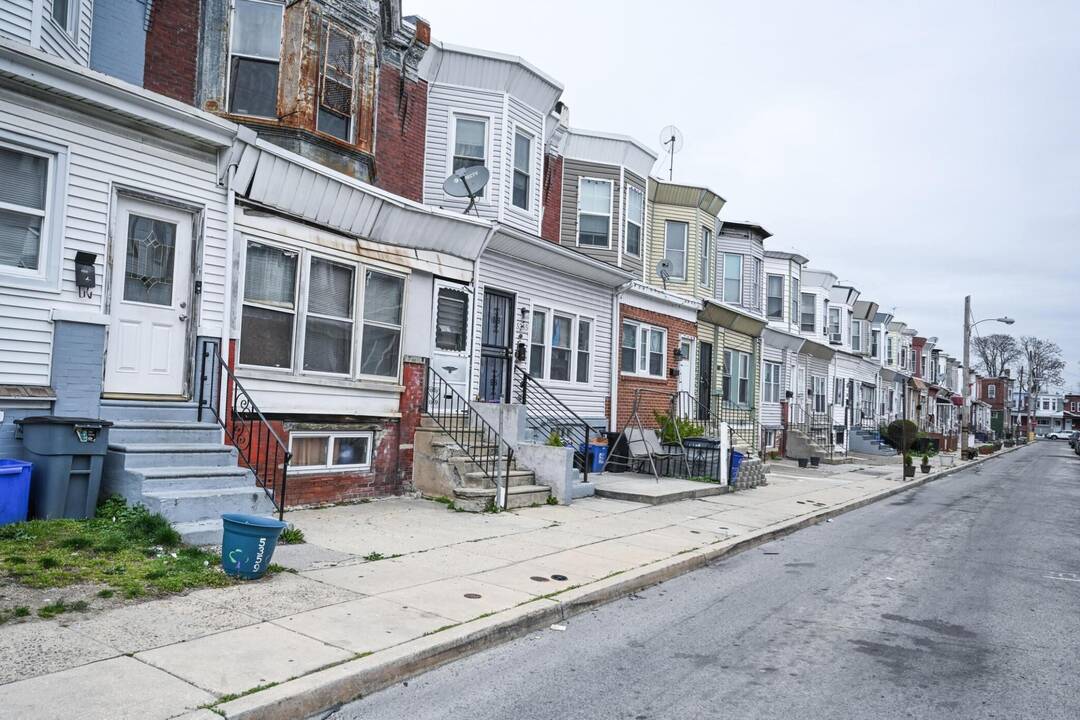
What this investment is: Purchasing a small home in an expensive neighborhood that may or may not need work. The home is bulldozed and a new home or duplex is put on the lot. Alternatively, the existing home is renovated and more square footage is added on. A pop-top is adding a second story to an existing home to add more square footage (commonly, a master bedroom suite).
Equity needed: Being able to document your income and your assets will be critical. For a commercial loan, your net worth should generally be at least as much as the loan you are seeking. The good news is that the commercial loan usually does not show up on your credit report, so it doesn't count towards the "four investment home limitation" from Fannie / Freddie.
Importance of credit: Essential. A 720 FICO is a must. A 740 would be better.
Importance of experience with contractors: Critical. If you have never done it before, start with an easier "paint and carpet" project to build your skills. The more sophisticated the project, the better your contractor management skills must be to make money. Not surprisingly, the simpler projects have lower profit margins than the complicated projects. Make sure you can take the time to really focus on the project. We run classes on how to do this from time to time. Go to http://www.yourcastle.org/events.cfm to see when the next session is.
Important of experience with property managers: Generally not important for this type of investment.
Investing in Real Estate 8 - Condo Conversions
This blog will discuss a type of real estate investment, fix and flips, in the Longmont area in Denver.
What this investment is: A synthesis of the fix and flip and rental operations - purchasing an apartment building in a neighborhood dominated by owner occupants, then converting the building from apartment building to condominium. Often requires renovation of the units to meet the expectations of owner-occupant buyers in that area. Complex and time consuming, but has wonderful tax advantages compares to fix and flips and often has superior returns to all other asset classes. Ideally suited for the sophisticated investor with extensive experience.
Equity needed: Being able to document your income and your assets will be critical. For a commercial loan, your net worth should generally be at least as much as the loan you are seeking. The good news is that the commercial loan usually does not show up on your credit report, so it doesn't count towards the "four investment home limitation" from Fannie / Freddie.
Importance of credit: Essential. A 720 FICO is a must. A 740 would be better.
Importance of experience with contractors: Critical. If you have never done it before, start with an easier "paint and carpet" project to build your skills. The more sophisticated the project, the better your contractor management skills must be to make money. Not surprisingly, the simpler projects have lower profit margins than the complicated projects. Make sure you can take the time to really focus on the project. We run classes on how to do this from time to time. Go to http://www.yourcastle.org/events.cfm to see when the next session is.
Important of experience with property managers: Not important; the majority of our clients manage their own rentals when they get started. Ideally you will have started with some smaller investment rentals and built property management experience. Now, when you have to finally manage a property manager, it will be easy since you have done the job yourself in the past.
Investing in Real Estate 7 - Fix and Flips
This blog will discuss a type of real estate investment, fix and flips, in the Longmont area in Denver.
What this investment is: Purchasing a home that needs work. The scope can range from the basic "paint and carpet" to extensive overhauls to scraping a decrepit property and completely starting over. Usually does not involve tenants, and the objective is to get in and out of the property as quickly as possible. Great for beginners with the right skill sets or the willingness to learn.
Equity needed: With hard money loans (defined in next paragraph), potentially 0% and they'll finance the construction costs, too. Expect a LOT of strings to be attached. A small local lender might give you 75% of the purchase price and the renovation budget, and the terms will be a lot more pleasant than the hard money option. Or you can do 20% down and get a convention, non-owner occupied loan and pay for the renovation with cash or your Home Depot credit card.
Importance of credit: If you get a hard money loan, your credit will not matter as much. These are harder to find than they were last year. If you get a traditional loan, it'll be a non-owner occupant loan, credit score will be very important. A 720 FICO score would help a lot. Being able to document your income and your assets will be critical. A hard money lender will lend you money based on the value of the property you are purchasing. If the property is worth $200,000 and you are able to purchase it for $150,000, a Hard Money Lender will probably give you a loan regardless of your down payment or credit score. However, the fees and the interest rate will be much less desirable than more conventional forms of financing. Hard Money Lenders can usually close very quickly, and from the Sellers' point of view, you are purchasing with Cash.
Importance of experience with contractors: Critical. If you have never done it before, start with an easier "paint and carpet" project to build your skills. The more sophisticated the project, the better your contractor management skills must be to make money. Not surprisingly, the simpler projects have lower profit margins than the complicated projects. Make sure you can take the time to really focus on the project. We run classes on how to do this from time to time. Go to http://www.yourcastle.org/events.cfm to see when the next session is.
Important of experience with property managers: Not important.
Investing in Real Estate 6 - Lease Options
This blog will discuss a type of real estate investment, lease options, in the Longmont area in Denver.
What this investment is: A lease option (L/O) is Acquiring control of a property (though not necessarily ownership), then leasing the property to a tenant. The lease is bundled with an option, so the tenant can (but does not have to) purchase the property for a given price within a given time frame. Again you are seeking a tenant for a property, but usually for a slightly longer term (12-18 months) and frequently (though not always) with the goal that the tenant purchase the property from you at the end of the lease. If you purchase the property, then it's an easier process; if you find a highly motivated seller to let you re-lease the property to another tenant, it can be a lot of work to set up. However, the re-lease method doesn't require any cash out of pocket and does not rely on your credit score, so it is appealing to many investors. Great for beginners with the right skills and attitude.
Equity needed: If you get seller financing, potentially just a few thousand dollars for your operating account. If you purchase the property, 10% down (best case); more likely 20% down.
Importance of credit: If you leverage seller carry, not important at all. If you purchase the property, credit is important. A 720 FICO score would help a lot. Being able to document your income and your assets will be critical.
Importance of experience with contractors: Some exposure would be helpful, but you are not likely to encounter construction projects any more difficult than you have maintaining your own personal residence.
Important of experience with property managers: Not important; the majority of our clients manage their own rentals when they get started. We run classes on how to do this from time to time. Go to http://www.yourcastle.org/events.cfm to see when the next session is.
Investing in Real Estate 5 - Large (5+ unit) Apartment Building
This blog will discuss a type of real estate investment, large apartment buildings, in the Longmont area in Denver.
What this investment is: Still targeting tenants for 6-12 months at a time, buildings with more than five units are considered "commercial" property. The loans are more difficult to qualify for, and usually a larger down payment is needed. Uncommon for the new investor; this is usually what landlords with several years of experience "trade up" to. Cash flows on larger buildings are more stable than for smaller buildings, and the economies of scale make it practical (and desirable) to hire a property manager to take over most the work for you. This takes reduces the hassle factor of the landlord process.
Equity needed: Being able to document your income and your assets will be critical. For a commercial loan, your net worth should generally be at least as much as the loan you are seeking. The good news is that the commercial loan usually does not show up on your credit report, so it doesn't count towards the "four investment home limitation" from Fannie / Freddie.
Importance of credit: Essential. A 720 FICO is a must. A 740 would be better.
Importance of experience with contractors: Some exposure would be helpful, but you are not likely to encounter construction projects any more difficult than you have maintaining your own personal residence. We run classes on how to do this from time to time. Go to http://www.yourcastle.org/events.cfm to see when the next session is.
Important of experience with property managers: Not important; the majority of our clients manage their own rentals when they get started. Ideally you will have started with some smaller investment rentals and built property management experience. Now, when you have to finally manage a property manager, it will be easy since you have done the job yourself in the past.
Investing in Real Estate 4 - Small (2-4 units) Apartment Building
This blog will discuss a type of real estate investment, small apartment buildings, in the Longmont area in Denver.
What this investment is: Purchase of duplex, triplex or quadplex to be rented to tenants, usually for 6-12 month terms. Usually what the rental home / condo landlords graduate to. In most markets they cost a little more than a rental home, but are much more likely to cash flow on the average month. Less cash flow risk; if one unit is empty you have other tenants that still help you with the mortgage payment so it doesn't all come out of your pocket. Many owners will start to delegate some of the property management tasks to an on-site assistant (typically the most responsible tenant), such as yard maintenance and showing empty units. The financing process is only slightly more involved than a residential loan. Relatively small down payment requirements make it affordable. The purchase process is also very similar to purchasing a home. It's a good way for beginners to get started.
Equity needed: 20% - 30% down would be typical.
Importance of credit: Very important. A 720 FICO score would help a lot. Being able to document your income and your assets will be critical.
Importance of experience with contractors: Some exposure would be helpful, but you are not likely to encounter construction projects any more difficult than you have maintaining your own personal residence.
Important of experience with property managers: Not important; the majority of our clients manage their own rentals when they get started. If you get a property manager, you'll be able to figure it out easily on this small of a scale. We run classes on how to do this from time to time. Go to http://www.yourcastle.org/events.cfm to see when the next session is.
Investing in Real Estate 3 - Rental Condo or Rental Home
This blog will discuss a type of real estate investment, rental condos or rental homes, in the Longmont area in Denver.
What this investment is: Purchase of a residential property to be rented out to tenants, usually on a 6-12 month lease term. This is how most new landlords get started. You can hire out all of the property management functions, but in many cases you will do many of them on your own. There are smaller down payment requirements than for larger rental buildings. The purchase process and financing process is very similar to what you experienced buying the home you live in now. It's a great way for beginners to get started.
Equity needed: Currently 20% - 25% Downpayment. In some cases you might be able to do it with 10% down, but expect the second mortgage to be at a higher rate. While Freddie / Fannie lenders might only let you have four loans, smaller local lenders will let you have more than that if you have strong credit. Contact me and I'll put you in touch with the right people.
Importance of credit: Very important. A 720 FICO score would help a lot. Being able to document your income and your assets will be critical.
Importance of experience with contractors: Some exposure would be helpful, but you are not likely to encounter construction projects any more difficult than you have maintaining your own personal residence.
Important of experience with property managers: Not important; the majority of our clients manage their own rentals when they get started. We run classes on how to do this from time to time. Go to http://www.yourcastle.org/events.cfm to see when the next session is.
The next few blog articles explore related topics, such as rentals, fix and flips, and new construction.
Investing in Real Estate 2 - Assignments
This blog will discuss a type of real estate investment, assignments, in the Longmont area in Denver.
What this investment is: An investor who is interested in Assignments gets a property under contract for an attractive price then assigns the contract to another buyer, usually another investor. The first investor will be paid a fee for the work. If you don't have much equity to work with, and/or if your credit power is limited, assignments can be a way to get started in real estate investing. You will need to have a strong "sales" personality to succeed at it, though.
Equity needed: None, just earnest money.
Importance of credit: Not important, since you are not purchasing the property yourself.
Importance of experience with contractors: Not important. The person that you ‘flip' the property to will be doing the work.
Important of experience with property managers: Not important. The person purchasing the property from you will be managing the tenants.
The next few blog articles explore related topics, such as rentals, fix and flips, and new construction.
Light Rail impacts pricing (edit/delete)
Home appreciation near T-Rex light rail line stations have out-performed the market Other cities such as Portland found that homes near light rail lines have out-performed the market in terms of price appreciation. The newest light rail line on the south east corridor (it was built during the T-REX I-25 expansion) bears this out. In the last two years, the average home within two miles has appreciated 4% while the metro Denver average is off 8%. We've shared this with our clients, and many decide to try to purchase homes near future light rail stops in anticipation of future appreciation.
Recap of First Quarter 2008 Home Price Performance
The average home price in Metro Denver increased +2% in the full year 2005 to the full year 2006, from $309,000 to $317,000. Comparing 2006 to 2007, the average home price across the metro dropped 2%, to $311,000. The first quarter of 2008 was $278,000 vs. the first quarter of 2007 was $296,000: a 6% decrease. Note that prices in the first quarter are usually a bit less than the rest of the year. This is because families that tend to purchase larger, more expensive homes tend to move in the summer months when their kids are out of school.
The average price of a foreclosure or short sale dropped -3% to $188,000 from 2006 to 2007. The average price of a non-distress sale increased 5% to $370,000. Sales volume over the last twelve months is off -4% for DSF/ASF. Foreclosure and short sale volume is up +31%; non-distress seller volume is off 20%. This trend continued in the 1Q 2008; foreclosure volume was up another 15% at the expense of the non-distress sellers.
Some areas did better than others. The attached chart shows different neighborhoods in Denver. Each region has the neighborhood's name and the percentage of sales in the last twelve months that were either short sales or bank-owned properties. The second line has the price change the twelve months from April 2007 to March 2008 vs. the twelve months immediately preceding. Next, you'll see the average home price in the last twelve months and the number of homes that were sold.
The good news is that the foreclosures are likely to peak in the next six to nine months. Many of the foreclosures were due to resetting rates on ARMs (adjustable rate mortgages). There are two reasons. First, according to Bank of America data, the volume of ARM resets is set to peak in March 2008. It often takes six months or a bit longer for an ARM reset to conclude in the sale of a foreclosed home. Second, the index rates that many ARMs use have declined lately. As a result, some borrowers that might have had a huge shock if their rate reset a year ago might get less of an increase today. For these reasons, we're likely to hit the bottom of this cycle this year.
There had to be at least twenty sales in the last year for an area to be included. The numbers are more reliable in areas where there were more sales.
Source: Your Castle Real Estate analysis, MLS data
|
|
Lori Erickson
Greenwood Village,
CO
More about me
Your Castle Real Estate
Office Phone: (303) 962-4272 x 513
Cell Phone: (303) 506-5848
Email Me
Links
Archives
|